You’re already investing in a new roof. The last thing you want to hear from your contractor is another line item for gutters. So when the gutter question comes up, most homeowners reflexively say no — keep the old ones, save the money, move on. Here is how to decide whether to replace them at the same time.
Often the gutters deserve a closer look. Here’s why, from a general contractor’s perspective — when it pays to replace gutters along with the roof, when it’s fine to keep them, and how existing gutters should be protected and inspected if you keep them.
Gutters and Roofs Are One System
This is the framing that changes the math. Most homeowners think of the roof and the gutters as two separate things. They’re not. They’re a single drainage system, and the gutters’ job is to handle every drop of water the roof sheds.
When you replace the roof:
- The water shedding capacity changes (new shingles drain faster than old worn ones)
- The drip edge gets replaced — and the drip edge feeds the gutters
- The crew works directly above the gutters, so they need to be protected during tear-off and inspected afterward
- The fascia behind the gutters becomes accessible — the only time it’s easy to inspect or replace
If the gutters were already showing wear, the roof replacement is the natural moment to address them. If they were brand new and pristine, the math is different.
The Age-Coordination Problem
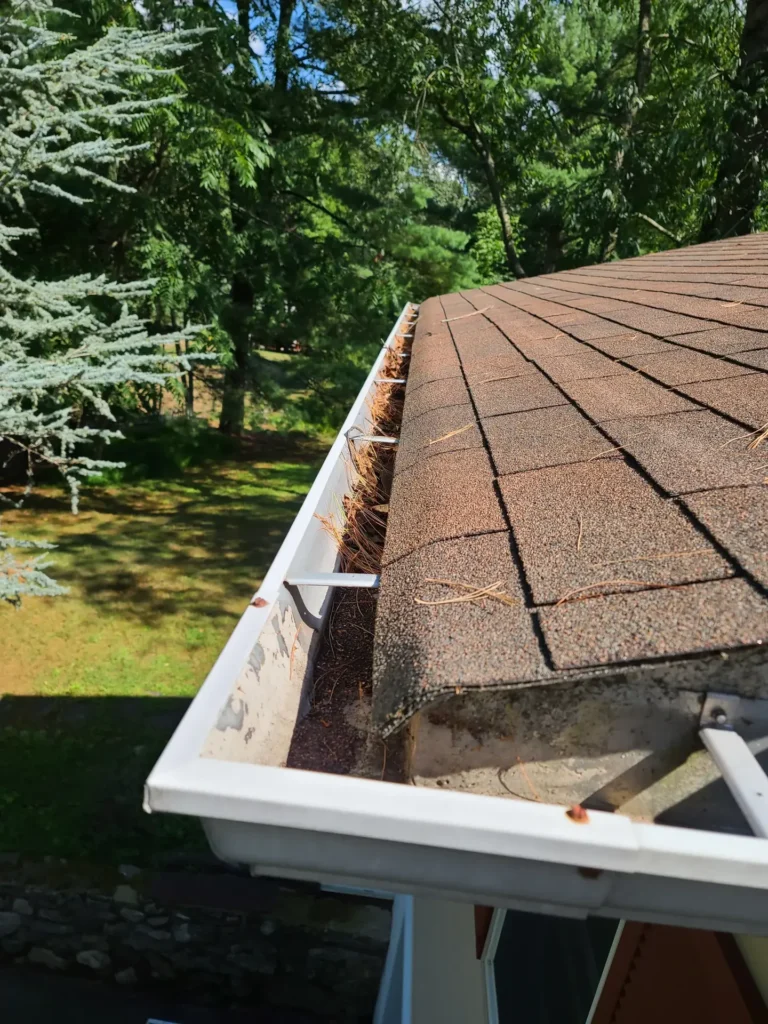
Gutters and roofs age on similar timelines. Aluminum gutters often last 20 years or more, and asphalt shingle roofs about 20 to 30 years, depending on materials, installation and maintenance. If your gutters went up around the same time as the roof, they may be near the end of their service life too, even if they look fine from the curb. An inspection will tell you.
If worn gutters are kept and fail a few years later, replacing them becomes a separate project with its own setup, disposal and scheduling. Doing both at once avoids that duplication, so ask your contractor to price the roof with and without new gutters.
If you’re not sure whether your gutters are at end of life, our recent post on 5 signs your roof needs replacement covered the diagnostic process — many of the same signs apply to gutters (rust, pulling away from the fascia, sagging, leaks at the seams).
How Existing Gutters Should Be Protected
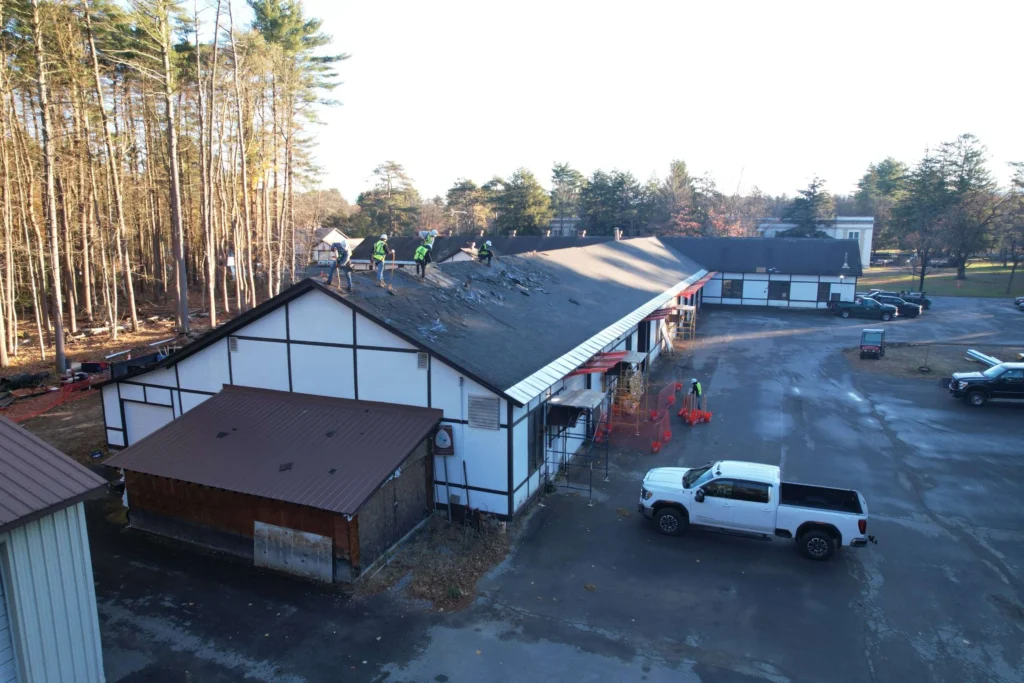
A roof tear-off happens directly above the gutters, so protecting them is part of a well-run job. Before work starts, the contractor should inspect the gutters with you and note any existing damage. During the work, ladders should not rest on the gutters (standoffs or stabilizers keep them off), and tarps and careful tear-off should keep falling debris under control. When the roof is done, the gutters should be cleaned out and checked for dents, loose hangers and proper pitch, and any damage caused during the work should be repaired under the contract.
If your gutters are already worn, rusted or pulling away, it may make more sense to replace them with the roof than to protect gutters that are near the end of their life anyway.
Drainage and Ice Dam Considerations
Two real performance issues that integrated projects solve:
Drainage Sizing
Old standard gutters are 5 inches wide. Many homes benefit from 6-inch gutters with 3×4 downspouts; the right size depends on the roof area and pitch. Larger gutters handle heavier rain, reduce overflow, and protect your foundation from water pooling against it. The EPA’s Soak Up the Rain program covers why getting stormwater away from your house matters — for the foundation, the landscape, and water quality downstream.
Ice Dam Prevention
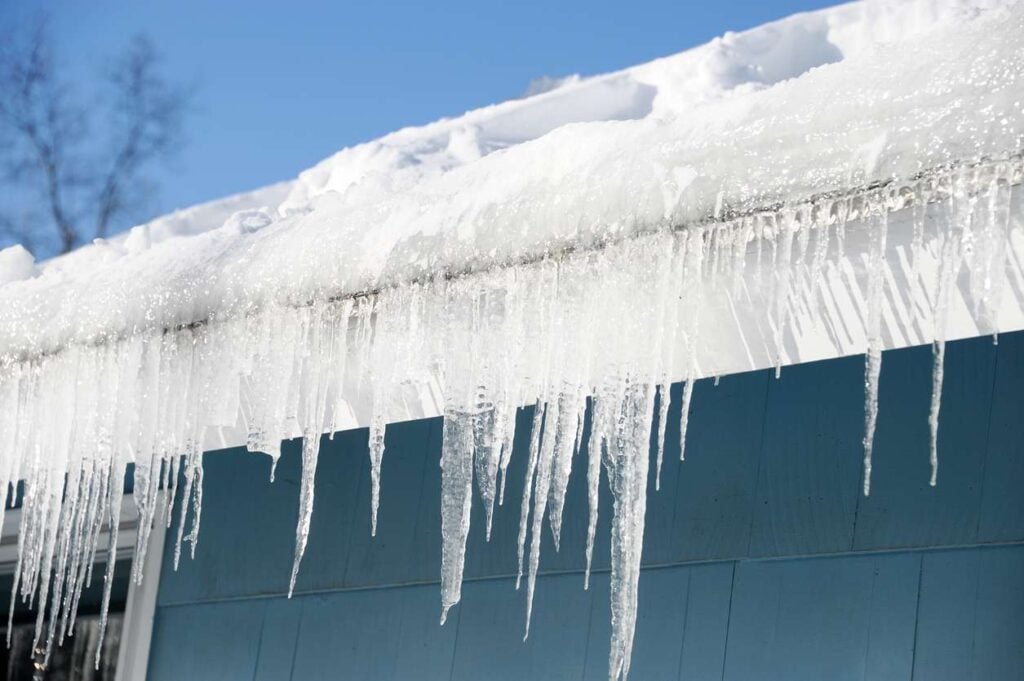
In Northeast winters, ice dams form when snow melts on a warm roof, runs down to the cold gutter edge, and refreezes — backing water up under the shingles. Reducing the risk starts in the attic, with insulation, air sealing and ventilation, plus an ice-and-water shield underlayment along the eaves and gutters that drain freely. All three are easier to install during a roof replacement than after. Gutters that drain well support the other two.
The Cost Math to Replace Gutters With Your Roof
Bundling can lower the cost of the gutter work, though the difference depends on the house and the scope.
Why bundling can cost less: equipment already on site, crew already mobilized, disposal already arranged, single project management, shared profit margin. Standalone gutter projects carry the full overhead burden alone.
If you’re already planning broader exterior work, our home remodeling service looks at the whole exterior together — roof, gutters, siding, windows, paint — and coordinating the work can save more.
Upgrade Options Worth Considering on a New Install
- 6-inch oversized gutters for larger storm capacity
- 3×4 downspouts (vs the standard 2×3) — about twice the opening of a standard 2×3
- Seamless aluminum instead of sectional — fewer leak points
- Heavier-gauge metal for ladder and ice resistance
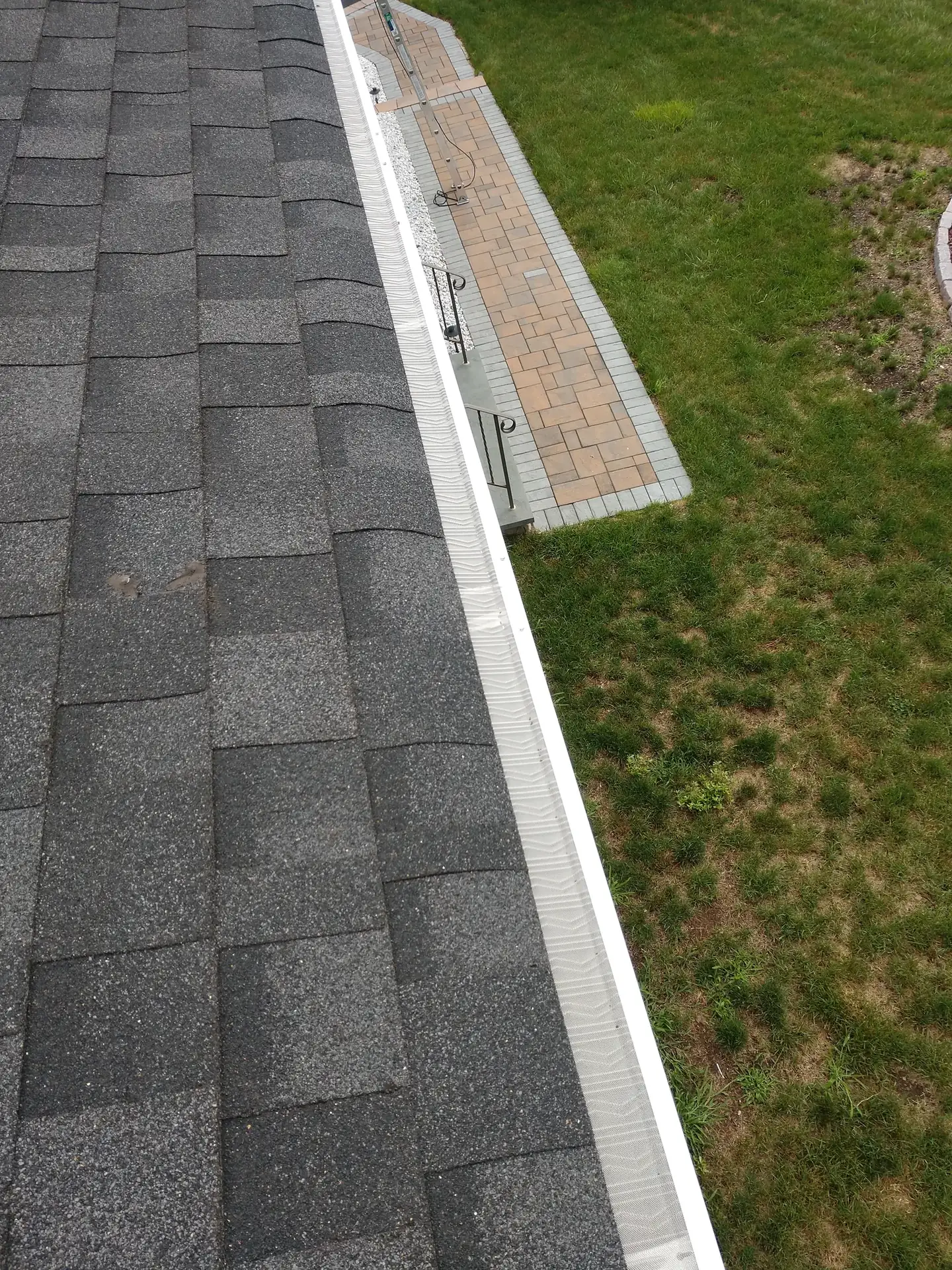
- Gutter guards — different types work better in different settings (mesh, foam, hood)
- Heated cable for ice dam-prone roofs
- Color-matched to your trim instead of generic white
Most of these are small additions on a new install and meaningful upgrades over the standard option. The same upgrades added later can cost more.
When It Actually Makes Sense to Skip the Gutters
Not every roof replacement needs new gutters. Real cases where skipping is fine:
- Your gutters are under 5 years old and still in great condition
- You just replaced them with high-quality seamless gutters within the last 7-8 years
- You’re using a roofing crew that has a documented protocol for protecting gutters during tear-off, and they’re contracted to repair any damage
- Budget is genuinely fixed and you’d rather do gutters in a future year — accepting that a separate project may cost more
If none of those apply, bundling is worth pricing out.
What to Ask Your Contractor
- What’s the bundled cost for roof + gutters together vs the standalone roof cost?
- What’s the warranty on gutters installed during a roof project vs as a separate job?
- If we keep the old gutters, what’s the protocol for protecting them during tear-off — and what happens if they’re damaged?
- What’s the recommended gutter size and downspout size for our roof?
- Do you handle gutter guards, ice cable, or extended drainage in the same project?
An honest contractor will walk you through the trade-offs with real numbers. A contractor pushing the upsell without explaining the cost-of-skipping side is selling, not advising.
Ready for a Real Number?
If you’re already planning a roof replacement, or you’ve already booked one and want to think through whether to add gutters, we’d be happy to walk through it. Our gutter installation service handles full replacement, upgrades, and the coordination with roof projects so you get one project, one team, one warranty. Our portfolio shows examples of integrated roof and gutter work we’ve done.
Request a free assessment and we’ll walk through your roof, your gutters, and the bundled-vs-standalone math honestly so you can decide what makes sense.